

Introduction
In today’s world teeming with anonymous social and random chat apps, Chatous still frequently appears in search results for keywords like “anonymous chat,” “random matching,” and “interest-based chat.” As a chat platform emphasizing anonymity and interest-based matching, Chatous was once considered a text chat alternative to Omegle and Chatroulette. So, what exactly is Chatous? What are its features, advantages, and disadvantages, and is it still suitable for today’s users?
This article will provide a systematic and objective analysis of Chatous.
What is Chatous?
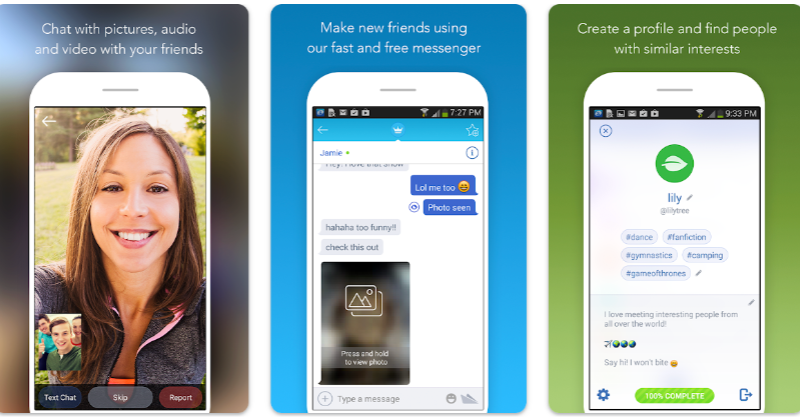
Chatous is a social application focused on anonymous chat, supporting both web and mobile (Android/iOS) platforms. Its core concept is:
To allow strangers to engage in instant conversations based on shared interests, rather than appearance or social connections.
What Can You Do on the Chatous App?
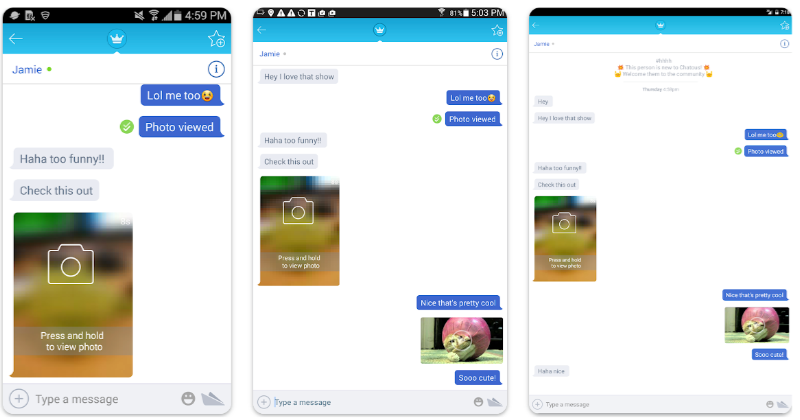
1. Anonymous One-on-One Chat
Chatous’s biggest feature is complete anonymity.
- No real name is required.
- No mandatory social media account binding.
- Chat can be disconnected at any time after the chat ends.
This mode is ideal for users who want to relieve stress, chat casually, or engage in brief social interaction.
2. Hashtag Matching
Users can add multiple hashtags, such as:
- #music
- #anime
- #travel
- #language
The system prioritizes matching users with the same hashtags, greatly improving the relevance of the chat. This is a key feature that distinguishes Chatous from purely random chat platforms.
3. Multimedia Sharing Function
During a chat, Chatous supports:
- Sending images
- Sharing short videos
- Sending audio messages
- Sharing YouTube links
Compared to traditional anonymous text chat rooms, the interactive formats are much richer.
4. Temporary Friends and Conversation Management
Chatous chats are not permanently linked:
- Users can end conversations at any time.
- Adding friends is not mandatory.
- No social pressure remains after a conversation ends.
This makes Chatous more like a “chat and go” lightweight social tool.
Chatous Online User Experience Analysis
Advantages Summary
① Low learning curve
No complicated registration required; you can start chatting in minutes.
② Strong anonymity
Relatively privacy-friendly, suitable for users who don’t want to expose personal information.
③ Clear interest orientation
Compared to completely random chat, Chatous makes it easier to meet “people you can chat with.”
④ Global user base
Able to communicate with users from different countries, suitable for language practice and cultural exchange.
Disadvantages and Issues
① Fluctuating user activity
Matching speed is slower in some regions or under less popular interest tags.
② Inconsistent content quality
The anonymity mechanism leads to some users behaving unfriendly, requiring reliance on reporting and blocking functions.
③ Lack of deep social mechanisms
Not suitable for users who want to cultivate long-term relationships and build a stable social circle.
④ Advertising and in-app purchase restrictions
The free version contains ads, and advanced features require payment to unlock.
Who is Chatous Suitable For?
Chatous is not a “social app for everyone.” It is more suitable for the following groups:
- Users who want anonymous chatting and short-term companionship
- People who prefer chatting based on interests rather than face-based social interaction
- Users who want to practice foreign languages and meet overseas users
- Users who have high privacy requirements and do not want to reveal their real identity
If your goal is dating, making friends, or building long-term relationships, Chatous may not be the best choice.
Comparison of Chatous with Other Anonymous Chat Platforms
|
Platform | Core Features | Main Differences |
| Interest Tags + Anonymous Text Chat |
More focused on rational communication | |
| Omegle | Completely Random |
Highly entertaining but uncontrollable |
| Random Video Chat | More reliant on appearance | |
| Wakie | Anonymous Voice Social Networking |
More focused on emotional support |
From a positioning perspective, Chatous is more like an “interest-oriented anonymous chat room” than an entertainment-focused random video platform.
Chatous vs Omegle vs Wakie: Anonymous Chat Comparison
In the anonymous social networking field, Chatous, Omegle, and Wakie are three platforms frequently mentioned together. They all emphasize “chatting with strangers,” but differ significantly in usage, user experience, and target audience.
If you’re unsure which anonymous chat application to choose, this article will provide a comprehensive comparison of multiple dimensions of apps like chatous.
Platform Positioning and Core Model Comparison
Chatous: Interest-Driven Anonymous Chat
Chatous’s core is interest-based hashtag matching.
Users first select their interests before entering an anonymous one-on-one chat, emphasizing “what to talk about” rather than “who to talk to.”
Keywords Summary:
- Anonymous text chat
- Interest-oriented
- Low social pressure
Omegle: Completely Random Stranger Chat
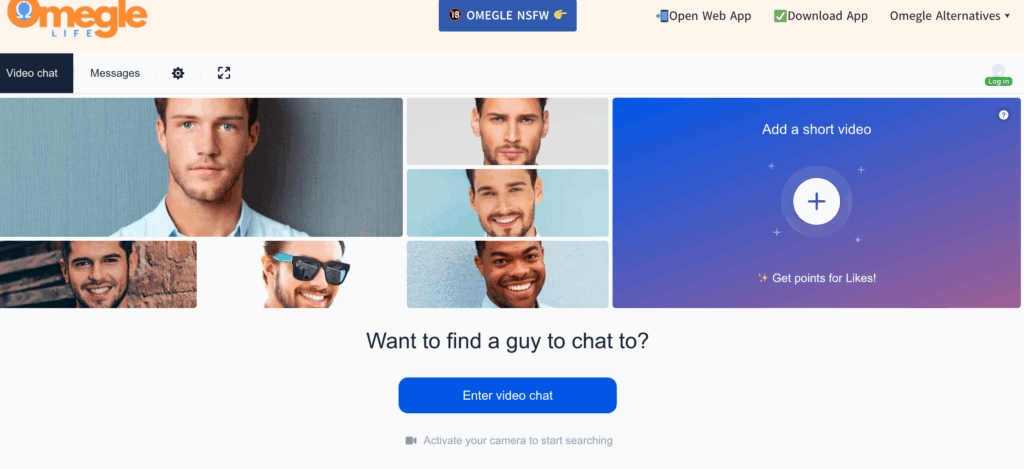
Omegle is a representative platform for anonymous chat, emphasizing completely random matching and supporting text and video chat.
Its appeal lies in its unpredictability, but this also presents significant content risks.
Key Takeaways:
- Highly Random
- Entertainment-Oriented
- Uncontrollable Content
Wakie: Anonymous Emotional Support Network
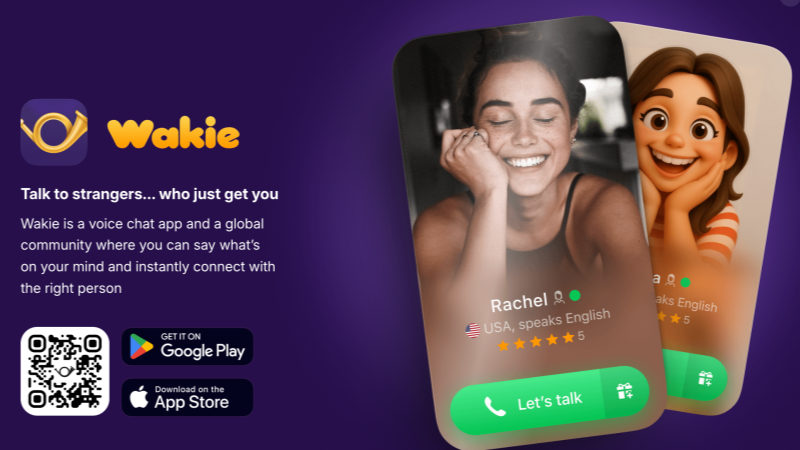
Wakie is more like an anonymous voice chat platform.
Users can initiate topics or voice calls, often used for emotional exchange, companionship during insomnia, and late-night conversations.
Key Takeaways:
- Voice-Based
- Emotional Value
- Strong Companionship Attribute
Functionality and Experience Comparison Table
|
Comparison Dimensions | Chatous | Omegle | Wakie |
|
Anonymous Status | ✅ | ✅ |
✅ |
| Chat Format | Text/Image | Text/Video |
Voice-Based |
|
Matching Mechanism | Interest Tags | Completely Random | Topics/Needs |
| Content Controllability | Medium | Low |
High |
|
Social Pressure | Low | Very Low | Medium |
| Emotional Companionship | Average | Weak |
Very Strong |
Usage Safety and Content Quality
- Chatous
Reduces ineffective chat through interest filtering, but still relies on a reporting system due to anonymity.
- Omegle
Unpredictable content; new users are prone to inappropriate behavior; overall platform risk is high.
- Wakie
The community atmosphere is relatively mild, but some features require payment, and the free experience is limited.
From a security perspective, Wakie > Chatous > Omegle.
Suitable User Analysis
Suitable for Chatous users:
- Enjoy chatting around specific interests
- Don’t want to show their face on video
- Want to chat quickly and end at any time
Suitable for Omegle users:
- Seek excitement and randomness
- Accept uncontrollable content
- Prefer entertainment-oriented use
Suitable for Wakie users:
- Want someone to listen
- Value emotional value
- Prefer voice communication
Which Platform is More Worthwhile to Choose?
There is no absolutely best anonymous chat platform, only the most suitable one.
- Want rational chatting+ interest-based exchange → Choose Chatous
- Want random excitement+ instant entertainment → Choose Omegle
- Want companionship+ emotional expression → Choose Wakie
If you are tired of pure randomness and don’t need deep social interaction, Chatous is the most balanced choice among the three.
Conclusion
Chatous, Omegle, and Wakie represent three directions of anonymous social interaction:
Interest, randomness, and companionship.
Before making a choice, it is far more important to clarify your intended use than to blindly follow trends.
Is Chatous Still Worth Using?
In summary, Chatous is not completely outdated, but it’s not exactly leading either.
Its value lies mainly in:
- Low-pressure social networking
- Fast chatting
- Anonymous communication
If you’re tired of algorithm-based recommendations, familiar social networks, and appearance-oriented platforms, Chatous is still a lightweight, anonymous chat tool worth trying.
Conclusion
Chatous is not intended to replace mainstream social software, but rather to provide a “seamless chat experience”.
In today’s fast-paced and demanding social environment, this “chat and go” model has become its biggest feature.
If you are looking for:
- A chat platform where you don’t need to cultivate a persona
- An anonymous space where you can leave at any time
- A way of communicating based on interests rather than appearance
Therefore, Chatous is still worth experiencing for yourself.
FAQs
1. Is Chatous truly completely anonymous?
Yes, Chatous does not require users to link their real names or social media accounts, but the platform may still record basic usage data. Anonymity primarily exists between users.
2. What’s the difference between Chatous and Omegle?
Chatous leans more towards interest-based text chat, while Omegle focuses on completely random text or video pairings. Chatous offers relatively more control in chat.
3. Why is Chatous not working?
Chatous may not be working due to server outages, a poor internet connection, an outdated app version, or temporary account restrictions. Try checking your network, updating the app, or restarting it to resolve the issue.
4. How to log out of Chatous?
To log out of Chatous, open the app and go to Settings → Account → Log Out. If you don’t see a log-out option, closing the app or clearing app data can also end your session.
5. How to delete a Chatous account?
To delete your Chatous account, open the app, go to Settings → Account → Delete Account, then confirm the deletion. Once deleted, your profile and chat history cannot be recovered.